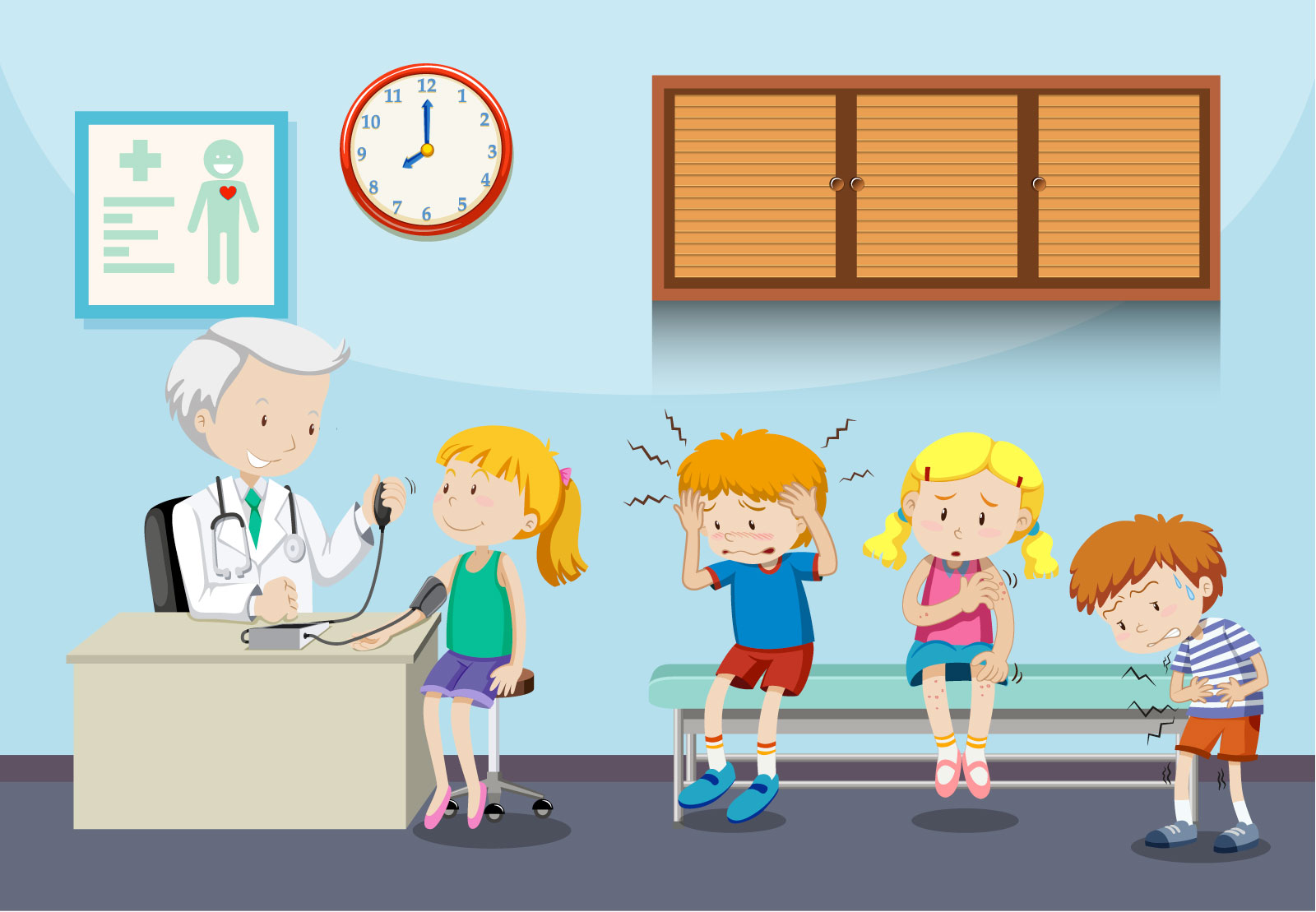
A child’s health is built through everyday habits that have a lasting impact on their growth and development. A balanced diet, quality sleep, regular physical activity, and routine medical check-ups help prevent many illnesses and support healthy development.
1. A Balanced Diet
Children need a varied and nutritious diet to grow and thrive. Ideally, every meal should include:
- Fresh fruits and vegetables
- Whole grains
- Protein sources (fish, lean meat, eggs, or legumes)
- Dairy products or suitable alternatives
- Plenty of water for hydration
Limit sugary drinks, highly processed foods, and excessive sugar whenever possible.
2. Age-Appropriate Sleep
Sleep is essential for a child’s physical, emotional, and cognitive development. Lack of sleep can affect concentration, mood, learning, and the immune system. A consistent bedtime routine and regular sleep schedule promote restorative sleep.
3. Stay Active Every Day
Daily physical activity strengthens bones, muscles, and the cardiovascular system while promoting overall well-being. Children and adolescents should aim for at least 60 minutes of physical activity every day. Outdoor play is one of the best ways to stay active.
4. Regular Pediatric Check-Ups
Even when your child appears healthy, preventive medical visits are essential. These appointments allow pediatricians to:
- Monitor growth and development
- Assess motor and cognitive milestones
- Check vision and hearing
- Answer parents’ questions
- Keep vaccinations up to date according to current recommendations.
5. Prevent Infections
Simple everyday habits can significantly reduce the spread of infections:
- Wash hands regularly
- Teach children to cough or sneeze into their elbow
- Air out rooms daily
- Keep children at home if they have a fever or a contagious illness.
6. Limit Screen Time
Screens should never replace physical activity, family interactions, or creative play. Reasonable screen use helps improve sleep quality, concentration, and healthy development.
7. Support Emotional Well-Being
Mental health is just as important as physical health. Take time to listen to your child, encourage open communication, and validate their emotions. A caring and supportive family environment helps children build confidence and resilience.
In Summary
Prevention is the best way to protect your child’s health. By encouraging healthy habits from an early age and scheduling regular pediatric check-ups, you help give your child the best possible start in life.
Do you have questions about your child’s health or development? Our pediatric is here to support your family every step of the way. Schedule an appointment and let us help your child grow up healthy and happy.