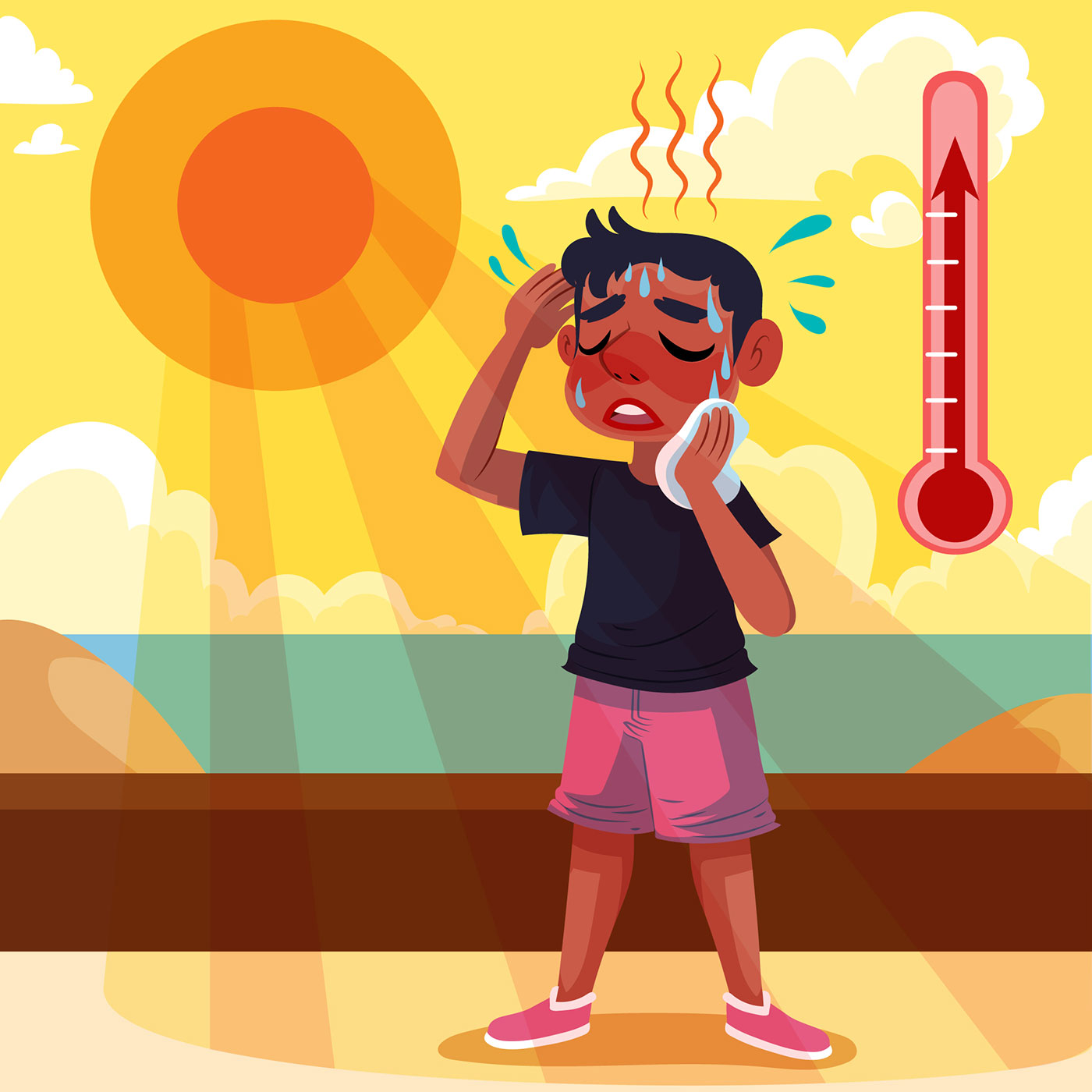
Heatwaves are becoming more frequent every year. Babies and young children are especially vulnerable to high temperatures because their bodies cannot regulate heat as efficiently as adults. Taking the right precautions is essential to prevent dehydration and heatstroke.
Why are children more vulnerable?
Children produce and lose heat differently than adults. Babies cannot tell us when they are thirsty, making regular hydration essential throughout the day.
How to keep your child safe
- Offer water regularly, even if your child does not ask for it.
- Breastfeed or bottle-feed infants more frequently.
- Dress children in lightweight, loose-fitting and light-colored clothing.
- Keep your home cool by closing shutters during the hottest hours and ventilating early in the morning or late in the evening.
- Avoid outdoor activities between 11 a.m. and 6 p.m.
- Stay in the shade whenever possible and use a wide-brimmed hat.
- Cool your child regularly with a damp cloth or a lukewarm shower.
- Never leave a child alone in a parked car, even for a few minutes.
Warning signs
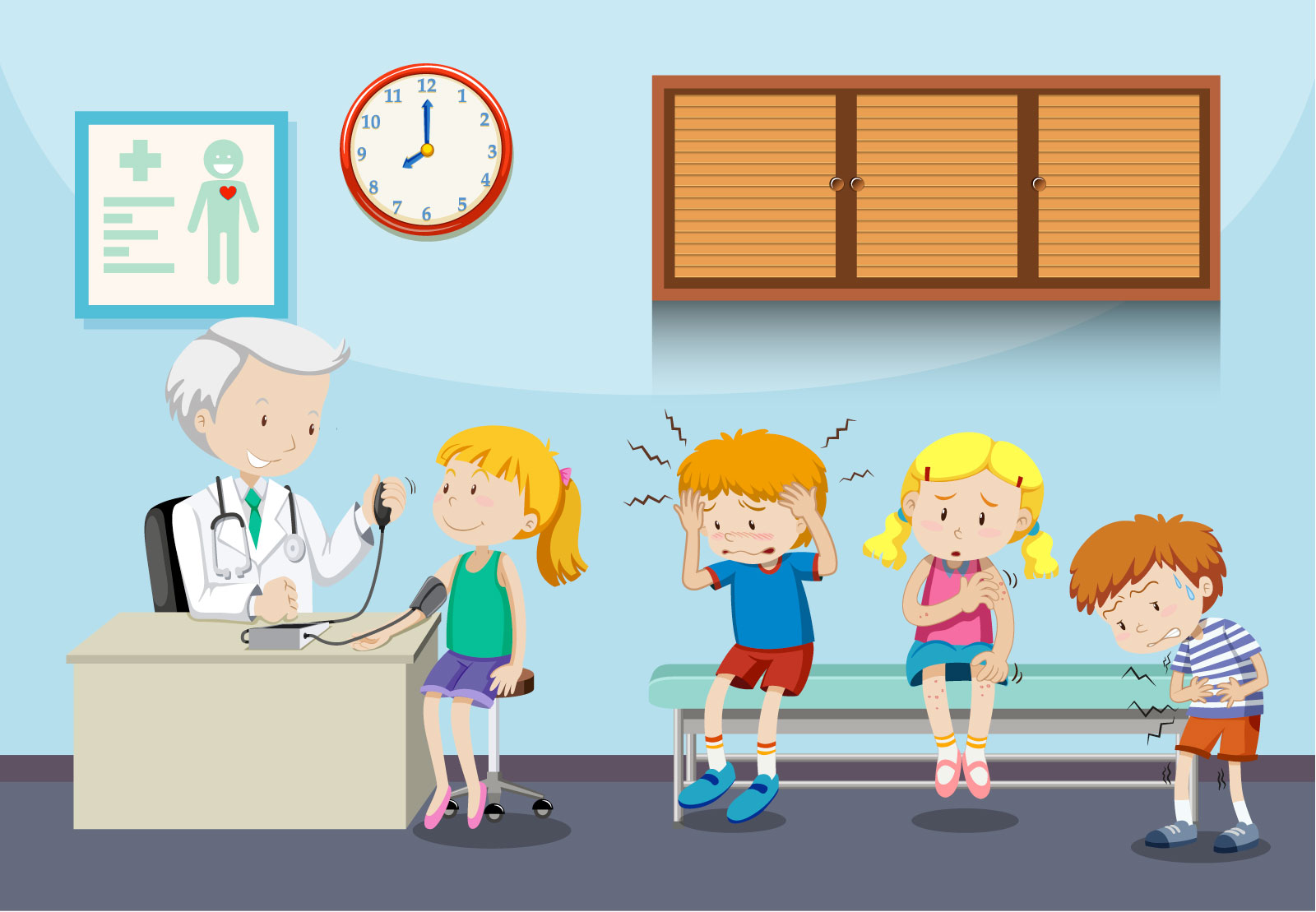
Seek medical attention immediately if your child develops:
- a high fever
- unusual drowsiness or extreme tiredness
- vomiting
- hot, dry skin
- difficulty breathing
- confusion or loss of consciousness.
These symptoms may indicate heatstroke, which is a medical emergency.
Key takeaway
Simple preventive measures such as regular hydration, avoiding excessive heat and keeping children cool can significantly reduce the risks associated with heatwaves. If you have any concerns, contact your pediatrician without delay.